
36 Russell Street
Overview
Lease and Income Structure
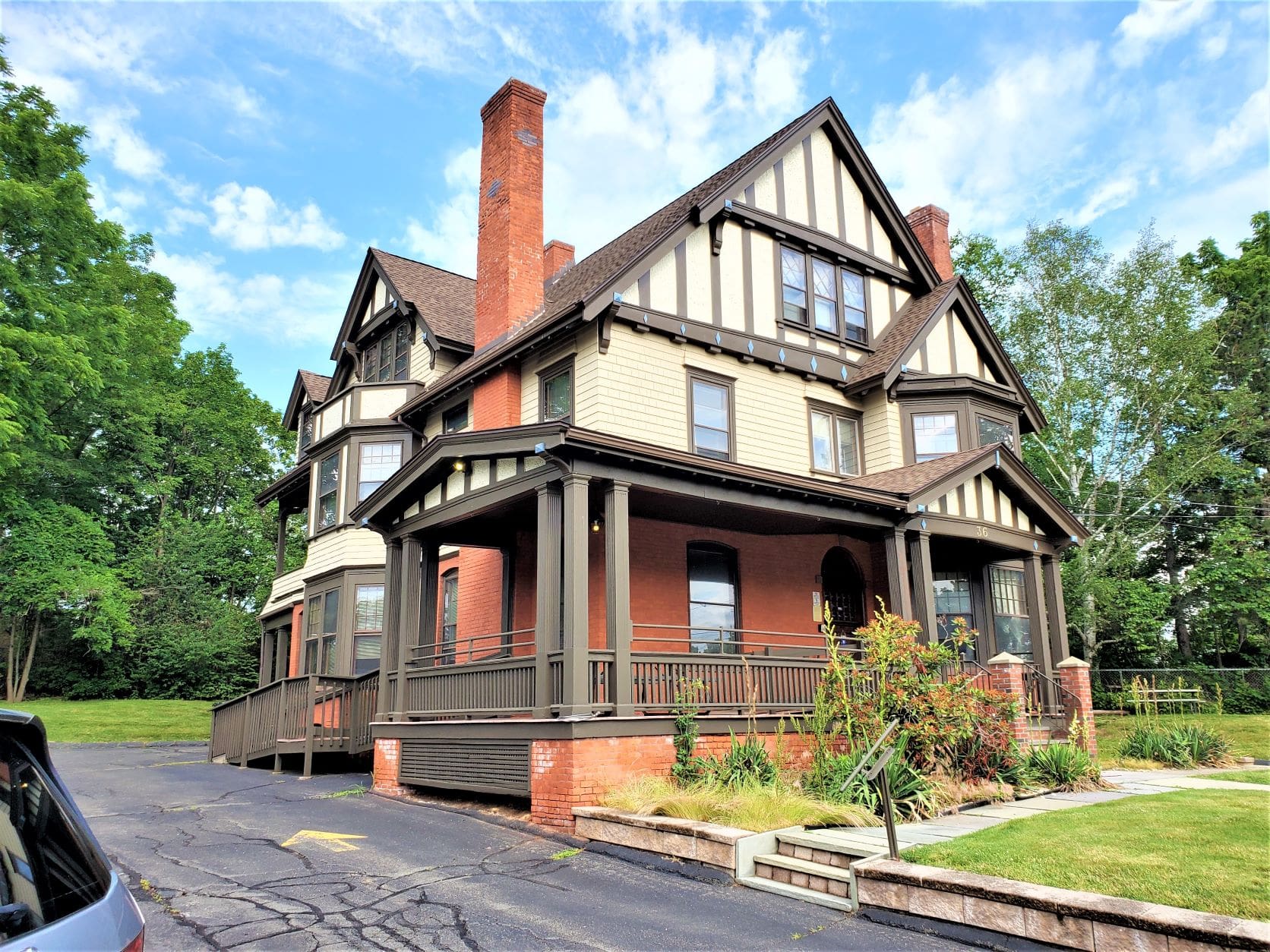
36 Russell Street, New Britain, CT is an operating men's recovery residence in the heart of New Britain, Connecticut. The property is a grand brick home currently used as recovery housing, containing approximately 4,604 square feet and designed to support up to 25 recovery housing beds. It is currently occupied and operating at approximately 90% capacity, giving a buyer the benefit of an existing use, active occupancy, and an established operating foundation rather than a speculative conversion. The home is certified by CTARR and has operated as a recovery residence for several years.
The property is offered with the current recovery housing operator remaining in place. The operator will not be named in the public listing, but the existing structure allows buyers to evaluate the property as an income-producing recovery housing asset rather than a direct operating business. The lease is structured as a modified gross lease, with the tenant responsible for all utilities and most maintenance, which may reduce the owner's ongoing expense burden while preserving a relatively straightforward landlord-tenant relationship. For buyers seeking passive or semi-passive exposure to recovery housing real estate, this lease structure may be an important part of the investment profile.
The offering is best positioned as a stabilized recovery housing investment: already operating, substantially occupied, certified by CTARR, and supported by an established operator expected to remain in place. Unlike a ground-up conversion, the home has an existing use and current occupancy, allowing a buyer to focus diligence on lease terms, rent performance, property condition, certification status, and long-term operator strength rather than creating the operating model from scratch.
New Britain is an up-and-coming Connecticut city with access to employment centers, public transportation, healthcare resources, community services, and regional recovery supports. The property's central location and substantial brick construction give it a strong physical presence and make it especially relevant for buyers seeking a purpose-adapted congregate housing asset. It may suit a mission-oriented real estate investor, recovery housing property owner, nonprofit-aligned buyer, or purchaser seeking a stabilized sober living asset with an established operator in place, particularly those who want the real estate side of recovery housing without directly managing resident operations.