
Active real-estate-and-business needs-renovation

52 Ash Street

Price
$1,315,000.00
Listing Tags
Beds
36
Size
8497 sqft
Type
Single Family
52 Ash Street

Overview

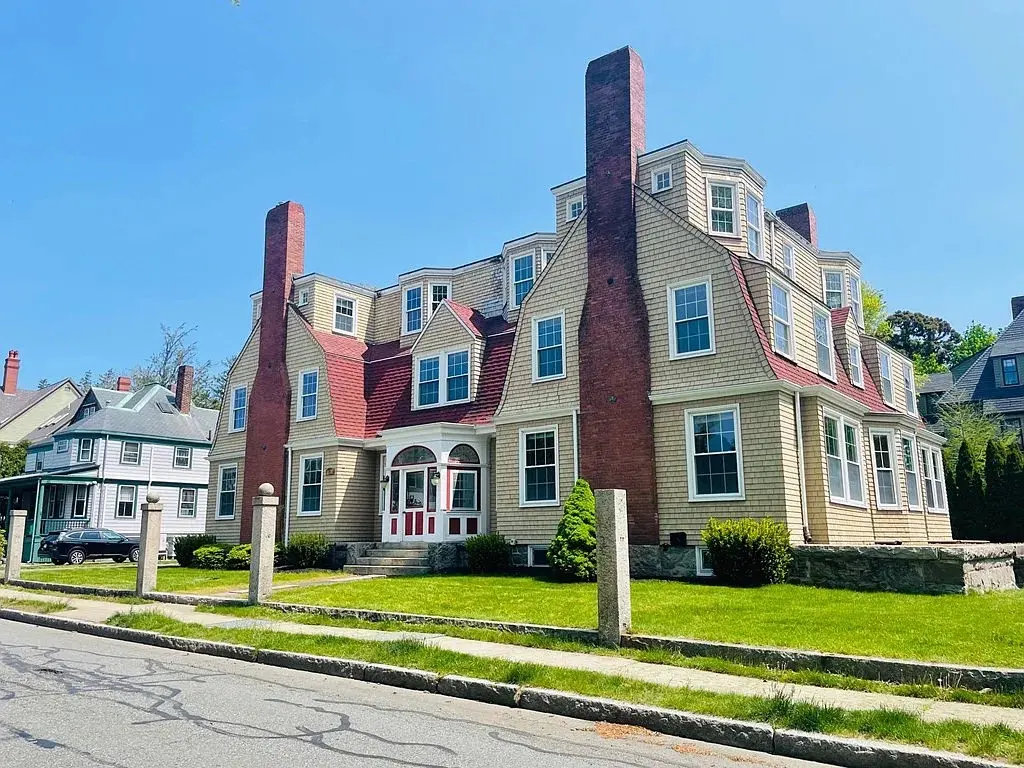
A significant value-add opportunity to acquire a massive mansion in the heart of New Bedford, Massachusetts, positioned for recovery housing use with substantial long-term income potential. Offered at $1,325,000 with an as-complete appraised value of approximately $2 million and an estimated $120,000 in remaining work, the property offers buyers the opportunity to complete the final phase of improvements, capture meaningful built-in equity, and stabilize a large mission-aligned housing asset with long-term cash flow potential.

Lease and Income Structure

52 Ash Street, New Bedford, MA 02740 is a large single-family mansion located in the heart of New Bedford, Massachusetts. The property is offered for sale at an asking price of $1,325,000 and presents a substantial value-add opportunity for a buyer seeking a large-scale recovery housing asset.

The building contains approximately 8,497 square feet and is configured for 36 total beds, including 4 private beds and 32 shared beds. Its size, layout, and central location make it especially well suited for recovery housing, behavioral health housing, or a mission-aligned residential use requiring substantial bed capacity.

The property has been the subject of a detailed offering memorandum, which describes it as a recovery housing facility with significant capital improvements already completed and a remaining scope of work needed to bring the project to completion. The memorandum also identifies the property as a long-term recovery housing asset with strong social impact and income-producing potential.

Value-Add Opportunity

This offering is best understood as a value-add recovery housing acquisition. The property has an as-complete valuation of approximately $2 million, while the current asking price is $1,325,000. With an estimated $120,000 of remaining work needed, a buyer has the opportunity to complete the final project scope and potentially capture significant built-in equity upon stabilization.

The remaining work is not described as a full redevelopment. Instead, the opportunity appears to center on completing the final phase of improvements, particularly life safety and finish work, so the property can be brought to full completion and long-term operational stability.

For a buyer with recovery housing experience, construction oversight capacity, or access to qualified contractors, the property offers a compelling combination of scale, location, value creation, and long-term cash flow potential.

Recovery Housing Use

The property is positioned for use as a large recovery housing residence. The offering memorandum describes recovery housing as a congregate living model serving individuals in recovery from substance use disorder, often providing a structured bridge between clinical treatment, correctional reentry, and independent living.

With 36 total beds and nearly 8,500 square feet of building area, 52 Ash Street offers substantial capacity in a single location. This scale may support strong operating economics if paired with proper certification, compliance, staffing, resident screening, house leadership, and recovery-focused management.

The property may be especially attractive to a buyer seeking a large asset that can support both a meaningful social mission and stable long-term income after completion.

Location and Market Context

New Bedford is a major coastal city in southeastern Massachusetts with access to transportation, employment, healthcare providers, community services, public agencies, and regional recovery resources. The property’s central location supports its intended use by placing residents near the types of services and amenities that are important for stability, reintegration, and long-term recovery.

The home’s mansion-style character and large physical footprint distinguish it from ordinary residential properties. For recovery housing, this kind of scale can be difficult to replicate, particularly in a central urban location.

Investment Opportunity

The investment thesis is based on acquiring a large recovery housing property below its projected completed value, completing the remaining improvements, and stabilizing the property for long-term use.

The offering memorandum describes the property as a mission-driven real estate asset with long-term income potential and identifies the recovery housing use as part of a broader behavioral healthcare real estate investment category. It also emphasizes the potential for both financial stability and social impact once the remaining work is completed.

This property may be particularly attractive to buyers who are comfortable with a near-term completion scope and who want the potential upside associated with finishing a partially improved asset. Unlike a fully stabilized passive acquisition, this opportunity requires a buyer to evaluate construction completion, code compliance, life safety systems, operational readiness, and final certification or occupancy requirements.

Key Property Details

  • Address: 52 Ash Street, New Bedford, MA 02740
  • Asking Price: $1,325,000
  • As-Complete Appraised Value: Approximately $2,000,000
  • Estimated Remaining Work: Approximately $120,000
  • Property Type: Single-family mansion
  • Building Size: Approximately 8,497 sq. ft.
  • Total Beds: 36
  • Private Beds: 4
  • Shared Beds: 32
  • Current/Future Use: Recovery housing opportunity
  • City: New Bedford
  • State: Massachusetts
  • Investment Profile: Value-add recovery housing acquisition with long-term stabilization potential
  • Buyer Profile: Recovery housing operator, mission-oriented investor, behavioral healthcare real estate buyer, or experienced value-add purchaser

Buyer Fit

This property may be well suited for an experienced recovery housing operator, mission-oriented real estate investor, nonprofit-aligned housing provider, or buyer seeking a large behavioral healthcare housing asset with significant value-add potential.

The opportunity is especially relevant for a buyer who can manage the remaining construction and compliance process while also understanding the long-term operating model for recovery housing. A buyer who completes the remaining work and stabilizes the asset may benefit from both meaningful equity creation and durable long-term cash flow.

Because of the property’s size and remaining work scope, buyers should be prepared to conduct detailed diligence on construction completion costs, fire protection, fire alarm systems, egress, code compliance, certification requirements, lease structure, operating assumptions, and long-term maintenance obligations.

Property Financials
Bed Data
Private Beds 4
Shared Beds 32
Total Beds 36
Vacancy Rate (estimated) 20%
House Mentors 3
Revenue-Producing Beds 25.80
Weekly Rent $190.00
Intake Fee $200.00
Revenue (Annual)
Total Potential Rent Income $355,680.00
Less: Vacancy & Loss $71,136.00
Less: Mentor Rent Credit $29,640.00
Plus: Intake Fee Revenue $11,520.00
Plus: Laundry Service Revenue $5,990.00
Total Revenue $272,414.00
Expenses (Annual)
Operating Expenses $45,861.00
Property Taxes $15,185.00
Property Insurance $3,228.00
Operator Compensation $24,000.00
Total Expenses $88,274.00
Net Income
Net Operating Income $184,140.00
Valuation
Capitalization Rate 10%
Value on Cap Rate $1,841,400.00

Work Needed

Approximately $120,000 in remaining work is estimated to bring the project to completion. Based on the offering memorandum, the remaining scope is primarily tied to final life safety and completion items, including fire safety code compliance, fire escape work, completion of the fire sprinkler system, fire alarm installation and integration, and related finish work needed for full occupancy and long-term operational stability.

The planned work appears to be a completion and stabilization scope rather than a full redevelopment. The property has already undergone substantial improvements, but the buyer should expect to complete the remaining capital work before the asset can fully realize its projected as-complete value and long-term income potential.

Buyer diligence should focus on confirming the remaining construction budget, reviewing any open permits, evaluating life safety systems, confirming code requirements, inspecting the condition of the building and furnishings, and verifying the steps required to bring the property to full operational readiness.