
1373 Smith Street
Overview
Lease and Income Structure
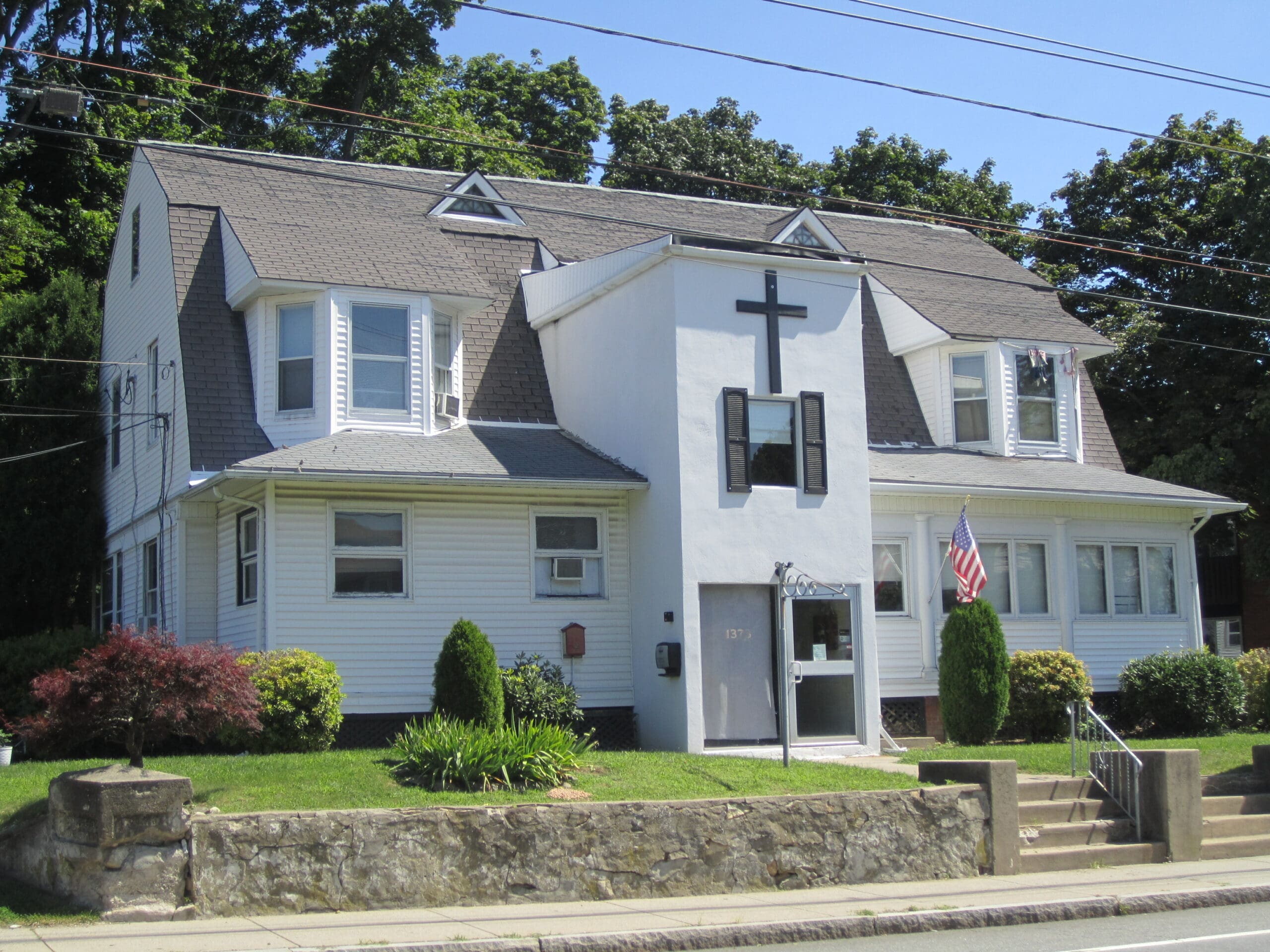
1373 Smith Street, North Providence, RI is an established men's recovery residence and a certified NARR Level II Recovery Residence serving men in recovery from substance use disorder. The property has a stable operating history under an established recovery housing operator and is offered as a stabilized behavioral healthcare real estate asset. The building contains approximately 4,559 square feet and supports a service capacity of 28 beds, with a room mix of 4 private beds and 24 shared beds.
The property is subject to a long-term absolute triple-net (NNN) lease that began on August 1, 2023 and runs for a 20-year term, with annual lease payments of $145,800. Under the absolute NNN structure, the tenant is responsible for real estate taxes, insurance, and capital items, leaving limited ongoing expense obligations for the owner. This structure may appeal to buyers seeking a passive, low-maintenance income-producing asset backed by a mission-critical recovery housing use.
The pro forma in this listing's Investment Snapshot (projected revenue, expenses, and NOI) belongs to the tenant's operating business, not the owner. It's there for comparison, not as a forecast of what the owner collects. Under the NNN lease, that number is fixed: $145,800 a year. The pro forma shows what the business underneath the lease could support; the lease payment is what actually reaches the landlord.
Recovery housing serves individuals in recovery from substance use disorder by providing a structured, substance-free living environment that bridges clinical treatment, correctional reentry, and independent living. Residents typically live semi-autonomously while following house rules, attending meetings, participating in recovery activities, and receiving support through the home's accountability structure.
The offering is best positioned as a stabilized, long-term recovery housing investment. Its key strengths include an established use, certification, a 20-year absolute NNN lease, predictable lease revenue, and minimal landlord obligations. Because the recovery housing use and operating structure are already in place, buyer diligence can focus on lease performance, tenant strength, property condition, certification status, and long-term real estate fundamentals rather than creating the use from scratch. North Providence is a mature Rhode Island community with access to employment, healthcare, transportation, public services, and regional recovery supports that reinforce the home's continued use.
The property may suit a passive real estate investor, mission-driven buyer, behavioral healthcare real estate investor, 1031 exchange buyer, nonprofit-aligned purchaser, or investor seeking a long-term income-producing asset with minimal landlord obligations, particularly those who want exposure to recovery housing real estate without directly operating the home. Buyers should still conduct careful diligence on tenant performance, lease terms, certification status, zoning and fair housing considerations, property condition, life-safety systems, and any planned capital improvements.
Work Needed
No major immediate renovation scope is identified in the available memorandum. The property is presented as a stabilized recovery housing asset with an existing certified use, long-term operating history, and absolute NNN lease structure.
One potential value-add item is the basement, which may have the potential to be finished and converted into additional usable space. Any basement build-out should be evaluated carefully for code compliance, ceiling height, egress, fire protection, ventilation, moisture conditions, permitting, certification requirements, and suitability for recovery housing operations.
At this stage, the property is best described as a stabilized recovery housing acquisition with limited identified work needed, plus potential upside through a future basement finishing project if feasible and properly approved.